
Choreographer Jenn Freeman and director Alex Hammer's documentary Room to Move is starting a conversation that dancers (and maybe you) have been waiting for.
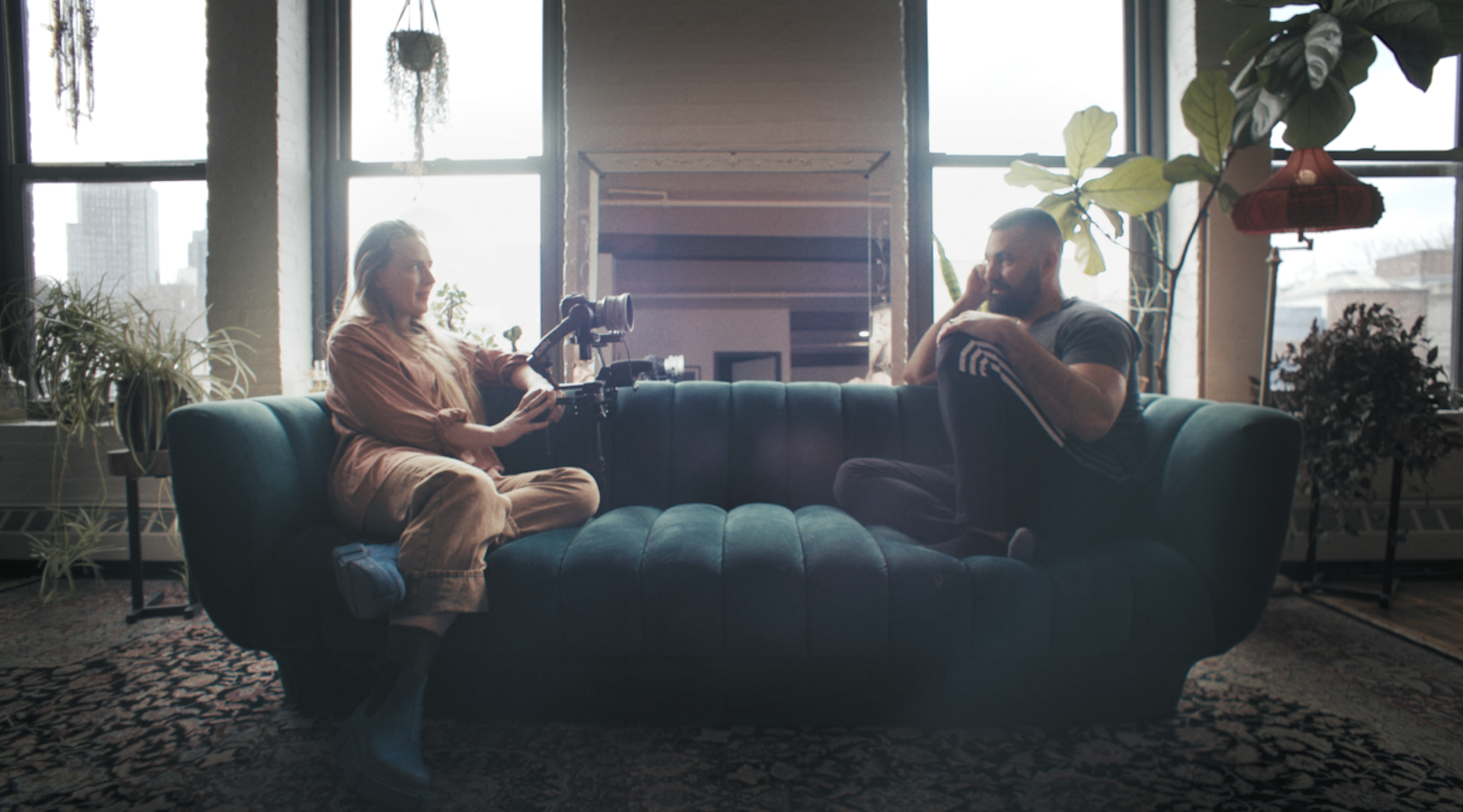
Jenn Freeman, one of the most kinetically inventive choreographers and dancers working today, is describing the night she realized she might be autistic. She was watching Expecting Amy, the three-part docuseries her friend and collaborator Alex Hammer had directed, following comedian Amy Schumer through her pregnancy, and her husband Chris Fischer's autism spectrum diagnosis when something clicked.
"I never thought that about myself one time ever," Freeman says. "I didn't even know what it meant to be autistic. I just related to his experience, and then I went down the rabbit hole and it felt like I was reading a memoir about my life that someone else had written."
That rabbit hole became Room to Move, a documentary Freeman and Hammer made together about their parallel journeys to late-in-life autism diagnoses, and what those diagnoses revealed about their lives, their relationships, and their art. For Hammer, Expecting Amy had been his directorial debut after years as one of documentary's most sought-after editors, with credits including Homecoming: A Film by Beyoncé and Lemonade.
Growing up without access to information
If you grew up before the early 2000s, your understanding of autism was likely shaped by a very narrow cultural image, one that looked nothing like a successful choreographer or filmmaker. That picture meant an entire generation of people (disproportionately women and girls, people of color, and those who learned early to mask and adapt) moved through life carrying a question mark they didn't have language for.
Freeman and Hammer both fell into that gap. Even Hammer, who had made a series that touched on autism, didn't connect the dots for himself until he watched Freeman up close.
"I had to see it right in front of my face," he says. "I would see her in every different type of scenario publicly, personally, and privately and that's where things became very clear to me."
This is one of the things Room to Move does quietly and powerfully: it explores emotions and behaviors that might not demand the medical attention that would lead to a clinical diagnosis.
Art as a Mirror
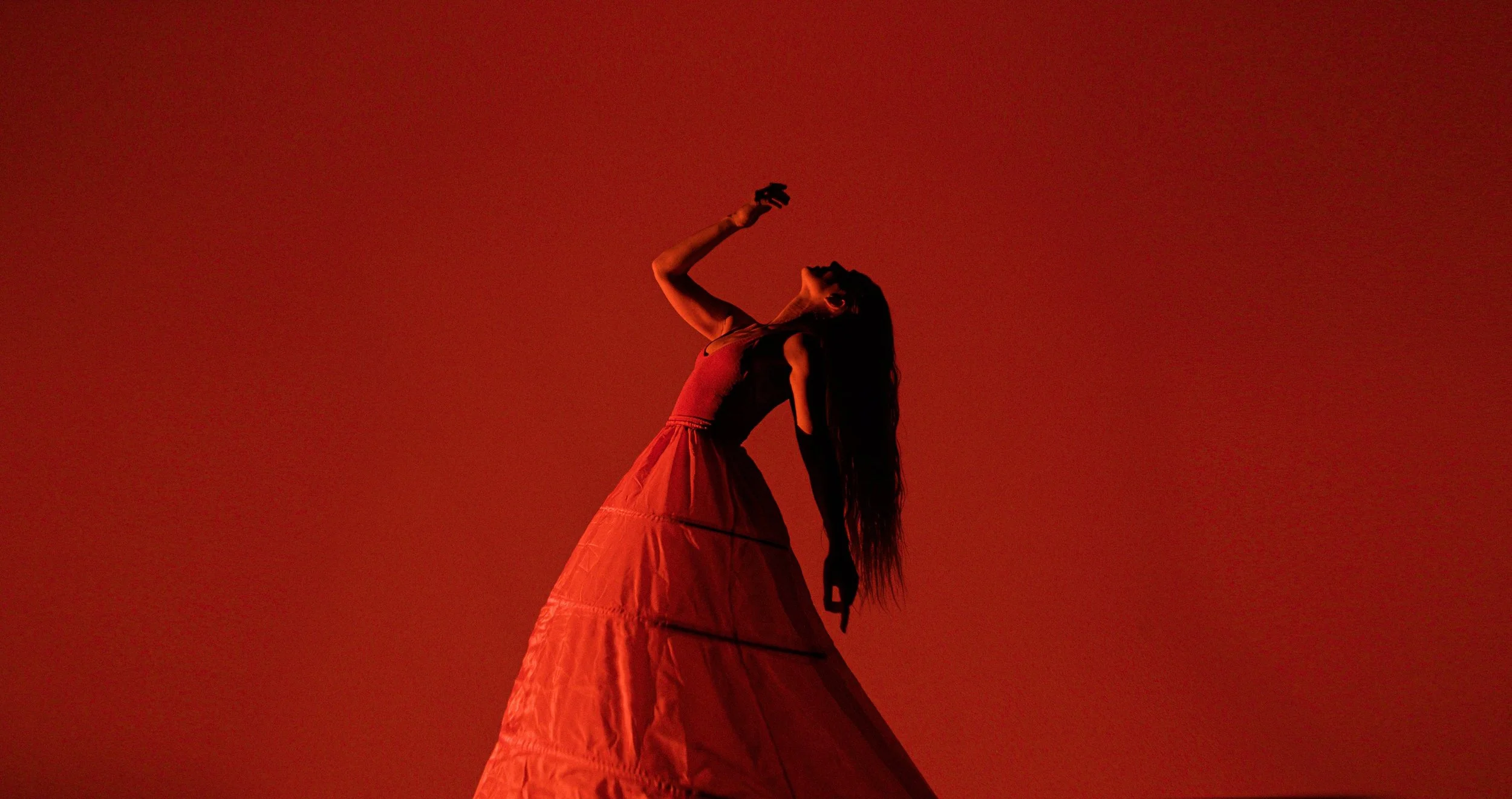
Freeman believes that dancers and artists may be more likely to find their way to self-knowledge than the average person.
"The arts is a vehicle for knowing yourself," she says. "And if you're an undiagnosed autistic person, there's a big question mark that you're walking around with, and there are pieces and chapters of your life that don't make sense, experiences that could be traumatic. There's something beautiful about being on an artistic journey, because it's asking you to know yourself and root yourself in some kind of truth."
For Freeman, dance was always the place she was trying to solve that equation pushing toward an authenticity she could feel but not quite name. After her diagnosis, she looked back at work she'd created years earlier and saw it differently.
"That is the most autistic piece of choreography I have ever seen in my life," she says, laughing. "The themes, the patterns… it's there in my work and it always has been."
Research backs up what Freeman describes intuitively. Studies on autistic adults in the performing arts find that many are drawn to creative fields precisely because art offers a sanctioned space to explore identity, emotion, and self-expression outside of social norms. The performing arts attract neurodivergent people and many of them are undiagnosed.
The aftermath of an autism diagnosis late in life
Getting answers doesn't mean the hard part is over. Both Freeman and Hammer are candid about the emotional complexity that followed their diagnoses.
"You're confronted with this new reality," she says. "There's this huge process of trying to unravel and make sense of your entire life prior to that moment, because you're seeing everything through an entirely different lens. There's almost a grieving process for the struggles you didn't understand, the moments you couldn't advocate for yourself, the miscommunications and the hard moments, knowing those things could have possibly been avoided."
For Freeman, the aftermath included a severe period of burnout and a profound reckoning with how she had been working erasing herself to meet others' expectations.
"I had been fighting parts of myself I knew were there, but telling myself: I don't like that, I'm going to push against it. And the freedom of knowing ‘no, that is not changing whether you like it or not’ was hard at first. All you're left with is acceptance. And you have to love yourself, because there are things about you that will never change. They've always been there, and they always will be. And that has been freeing."
What can you expect?
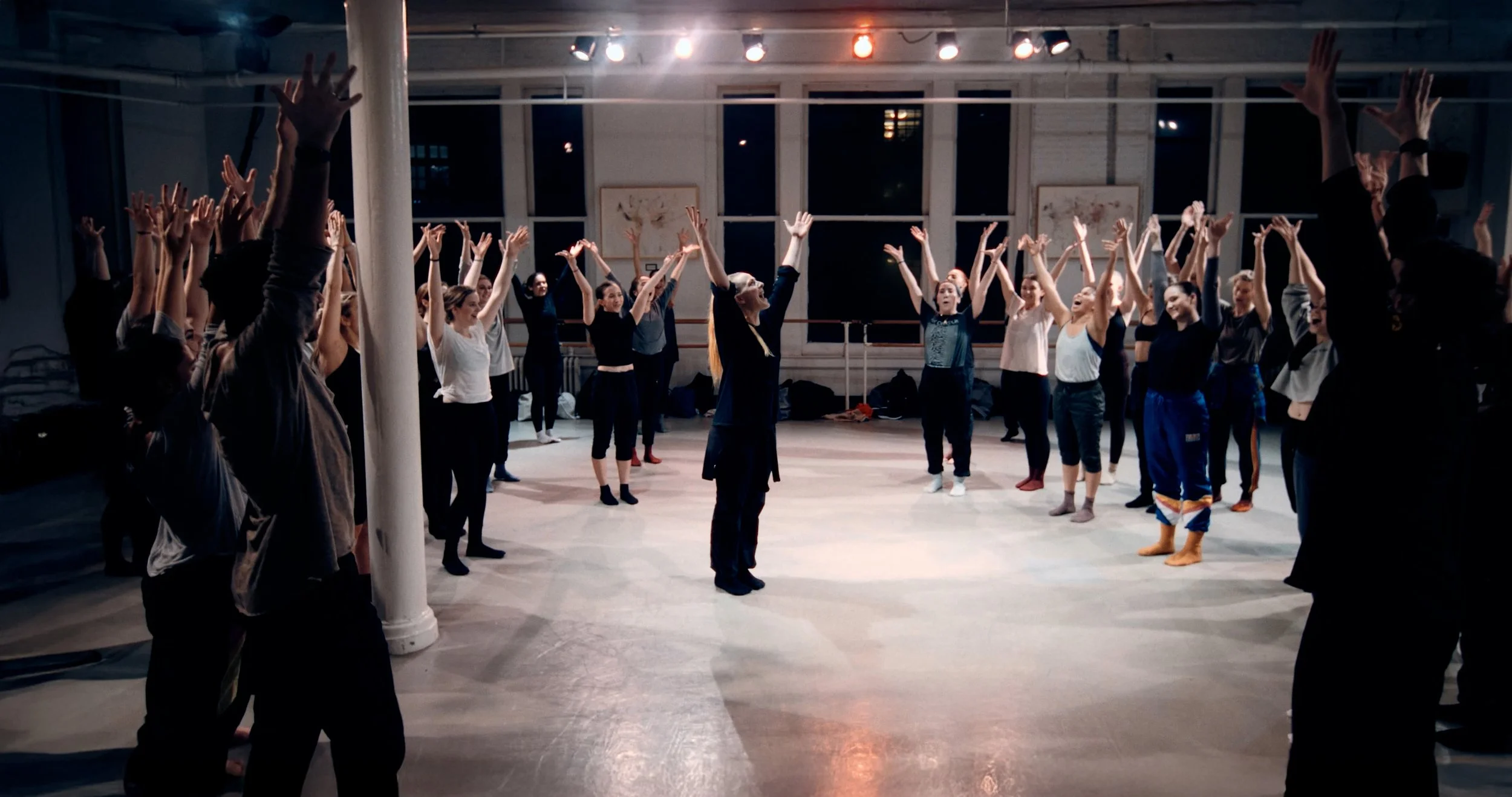
Room to Move isn't a film for people who already have answers. It's a film for people in the middle of the question.
Hammer hopes audiences leave with "a bit of self-recognition or self-acceptance… giving yourself a little bit of grace, and giving those around you a little bit of grace, and wanting to know more."
Freeman puts it even more plainly: "You can't advocate for yourself unless you know yourself."
If you've ever felt like parts of your life don't quite add up, Room to Move might be the thing someone else made about your life.
That rabbit hole is worth going down.
Room to Move is available on Netflix starting May 27, 2026. Watch the trailer at https://www.netflix.com/title/82748667